
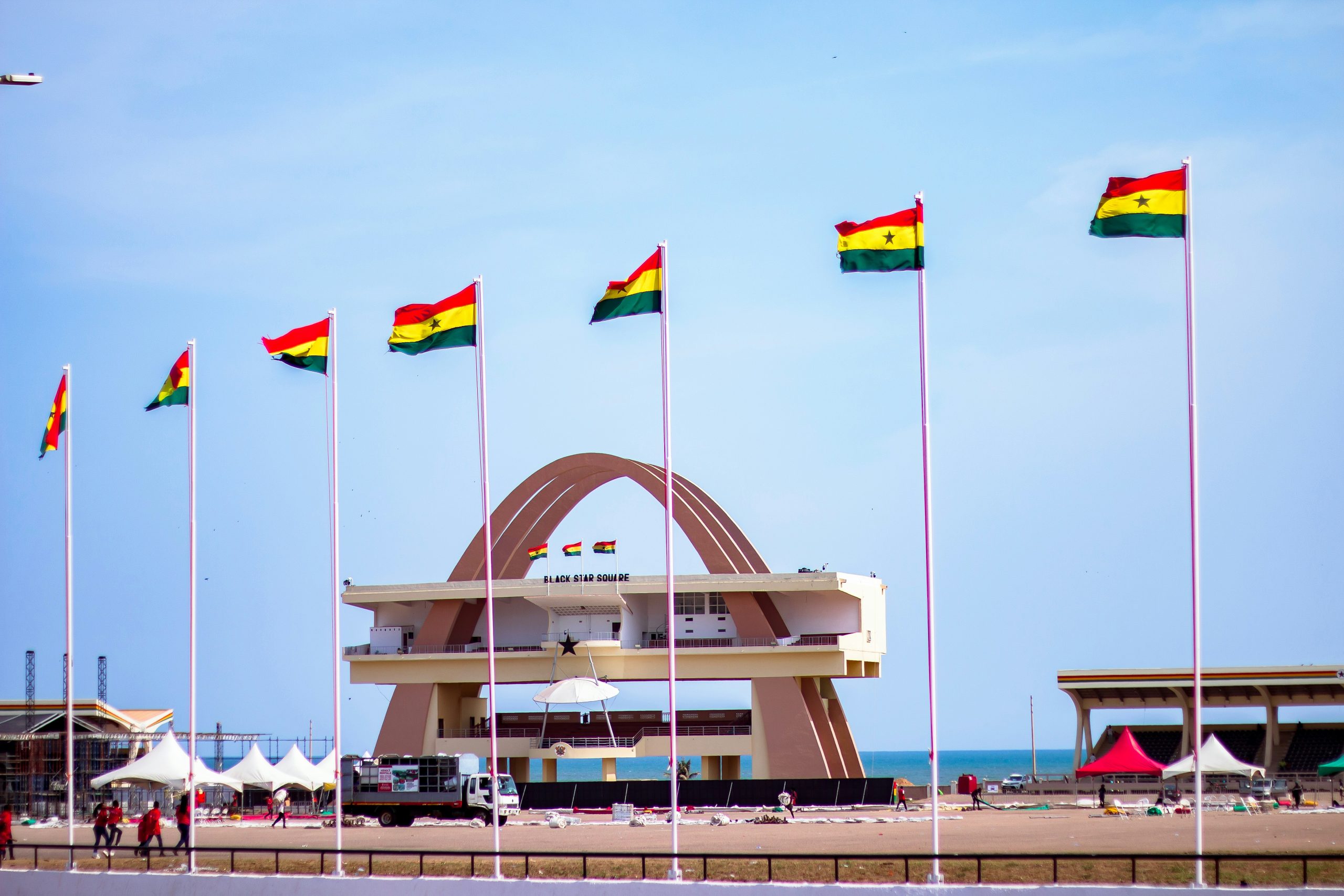
IMF Raises Ghana’s 2026 economic growth forecast to 5.7%, offering a more positive outlook for the country’s economy. The revised projection signals stronger expectations for Ghana’s economic performance and places the country above the projected average growth rate for Sub-Saharan Africa.
The International Monetary Fund (IMF) has revised its outlook for Ghana, raising its economic growth projection for 2026 from an earlier estimate of 4.6% to 5.7%. The new forecast also exceeds the government’s 4.8% growth target for the year, according to reports on the Fund’s October 2026 economic outlook.
The revised forecast, contained in the IMF’s October 2026 World Economic Outlook, signals stronger expectations for Ghana’s economic performance despite ongoing uncertainties in the global economy. The new projection also exceeds the government’s 4.8% growth target outlined in the 2026 Budget. Source: Citi Newsroom
Stronger Growth Prospects for Ghana
The IMF’s revised outlook places Ghana among the stronger-performing economies in Sub-Saharan Africa. The Fund projects regional economic growth of 4.5% in 2026, meaning Ghana’s projected 5.7% expansion would be above the regional average.
Although the forecast is lower than the 6.0% growth recorded in 2025, it points to continued economic expansion and an improved outlook compared with the IMF’s earlier estimate for 2026. Source: Ghana News Agency
What Is Driving the Improved Forecast?
The improved growth projection could strengthen confidence in Ghana’s economic prospects. Businesses may look for opportunities to expand operations, while investors may assess sectors with potential for long-term growth.
Areas such as trade, services, infrastructure and other productive industries could benefit from a supportive economic environment. However, a higher growth forecast does not automatically guarantee more jobs, higher wages or lower living costs.
For Ghana to translate economic growth into meaningful improvements in living standards, the benefits must extend to households, small businesses and workers. Job creation, productivity improvements and access to investment will remain important considerations.
Strong commodity export earnings, particularly from gold, have been identified as important factors supporting Ghana’s economic outlook. Improved fiscal performance and efforts to maintain spending discipline have also contributed to the more positive assessment.
According to reporting from the IMF’s October outlook, stronger export earnings have helped support Ghana’s external position, while the country’s economic performance has benefited from efforts to strengthen fiscal management. Source: MyJoyOnline
Inflation Outlook Also Improves
Alongside the growth projection, the IMF expects Ghana’s inflation rate to reach 4.8% in 2026. This would represent a substantial decline from the 14.2% recorded in 2025, if the forecast is realised.
The Fund also projects Ghana’s external balance to record a surplus equivalent to 6% of gross domestic product (GDP) in 2026. These indicators provide additional context for assessing the country’s economic outlook, although actual outcomes will depend on how economic conditions evolve. Source: Ghana News Agency
Challenges and Risks Remain
Despite the improved forecast, sustaining economic growth will depend on continued fiscal discipline, resilient domestic economic activity and Ghana’s ability to manage external risks.
Fluctuations in international commodity prices could affect export earnings, while changes in global demand may also influence economic performance. The IMF’s outlook suggests that growth could moderate to 5.2% in 2027, indicating that the pace of expansion may ease after 2026. Source: Ghana News Agency
Government Targets Further Growth
The revised projection provides a more optimistic outlook for Ghana’s economy, but the central question remains whether the country can translate projected growth into tangible improvements in living standards, employment and business opportunities.
For businesses and investors, sustained growth could create opportunities across sectors, depending on the distribution of economic activity and the broader investment environment. However, the benefits will depend on whether stronger economic performance translates into increased productivity, job creation and improved household purchasing power.
Ghana’s ability to sustain the recovery will therefore depend not only on favourable export conditions but also on sound economic management and policies that support long-term development.
Conclusion
The IMF’s revised 5.7% growth forecast offers a positive signal for Ghana’s economic outlook in 2026. While the projection reflects stronger expectations than previously anticipated, maintaining that momentum will require continued economic reforms, prudent fiscal management and resilience against external shocks.
The coming months will be important in determining whether Ghana can meet or exceed the forecast and ensure that economic growth delivers meaningful benefits to businesses and households.